很多学生在准备表演型演讲与戏剧时,习惯于只盯着自己那几页剧本,却忽略了藏在幕后的广阔世界。
在资深戏剧专家Coach Nate看来,表演并非单纯的模仿,而是一场关于“真相”的探寻。
如果你不了解角色的前世今生,不明白那场冲突背后的暗流涌动,你的表演就只能停留在模仿的表面,无法触动观众的心弦。
今天这篇教练专栏,将为你揭开戏剧表演中最重要的一条“潜规则”:为什么只有读懂了全篇,你才能真正拥有舞台?
When preparing an interpretive drama piece, many students focus only on the section they are performing. That may seem efficient, especially when schedules are busy, but it creates a major problem: you cannot fully understand a character or a scene without understanding the larger story around it. To perform well, an actor must know not only what is happening in the moment, but also what happened before, what will happen later, and how all of it shapes the character’s thoughts, emotions, and choices. Understanding the whole story gives depth, meaning, and honesty to a performance.
在准备表演性演讲作品时,许多学生往往只关注自己表演的那一部分。在日程繁忙的情况下,这看起来似乎效率很高,但却会产生一个严重的问题:如果不了解背后的宏大叙事,你就无法透彻地理解一个角色或一幕戏。为了演好戏,演员不仅要清楚当下正在发生什么,还要了解前因后果,以及这一切是如何塑造角色的思想、情感与抉择的。唯有通读全篇,表演才能拥有深度、内涵与真实感。
I often find that when a student is struggling with a new interpretation scene, I ask them a simple question: “Did you watch the whole movie?” Often, the answer is no. Sometimes they say they watched only the parts of the movie, or read only the part of the play they are performing. As a teacher, I always appreciate their honesty. It may feel uncomfortable to be that honest with a teacher or coach, but honesty is the only way I can really help you. At that point, you might be asking, “So I didn’t read or watch the whole thing. Why is that such a big deal?” After all, you do not have to finish every math problem in the book to understand how to add or subtract. Once you get the idea, shouldn’t that be enough? In acting, the answer is no.
我经常发现,当学生在处理一段新的演绎场景感到挣扎时,我会问他们一个简单的问题:“你看过整部电影吗?”得到的回答通常是否定的。有时他们说只看了电影片段,或者只读了自己表演的那部分剧本。作为老师,我很欣赏他们的诚实。虽然对老师或教练坦白这些可能会感到难为情,但坦诚是让我能够真正帮到你的唯一途径。此时你可能会问:“就算我没看全,这有什么大不了的呢?”毕竟,你不需要做完书上所有的数学题就能学会加减法。只要掌握了要领,不就够了吗?在表演艺术中,答案是否定的。
As actors, we need as much information as we can get about every character: what motivates them, why they react the way they do, and what relationships shape their behavior. We may think we understand everything quickly, but that is not always true. Years ago, before I moved to China, I had seen advertisements for Zootopia. I thought I understood the basic idea: a fox wants to eat a rabbit police officer. No thanks,not for me. Zootopia is much more popular in China than in many other parts of the world, and eventually my students corrected me about what they thought the movie was about. I realized I had to watch it, and, as you probably know, I was very wrong. Even with a movie I have seen many times before, I still notice something new every time I watch it again. But I cannot notice anything at all if I have never seen the whole story.
作为演员,我们需要尽可能多地搜集关于角色的信息:他们的动机是什么,为什么会有那样的反应,以及什么样的关系塑造了他们的行为。我们可能以为自己能很快看透一切,事实并非总是如此。多年前,在我搬到中国之前,我看过《疯狂动物城》的广告。我当时以为自己懂了:无非就是一只狐狸想吃掉一个兔子警察。不了,谢谢,这不是我的菜。后来我发现,这部电影在中国比在世界其他地方更受欢迎,我的学生们最终纠正了我对剧情的误解。我意识到我必须完整地看一遍。正如你所料,我之前的想法大错特错。即便是看过了很多遍的电影,每次重温我依然能有新发现。但如果从未看过完整的故事,你根本无从发现这些细节。
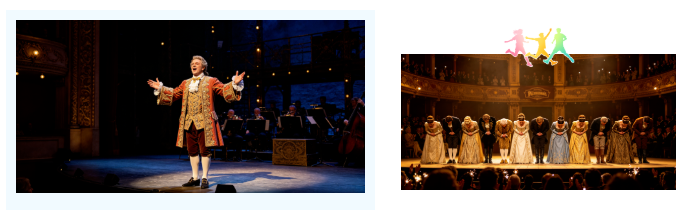
I had a similar experience with a musical in a drama class. I saw part of a musical called Happily Ever After. At first, it seemed like a fun retelling of classic fairy tales. We were only able to watch the first half, where everything appears wonderful and it seems that the characters really do live happily ever after. However, a few weeks later, we watched the second half and,wow,the meaning of the story completely changed. The point was that even after the “happy ending,” life continues, new problems appear, and everything begins to fall apart. The real message was that there is no such thing as “happily ever after.” I would never have understood the true meaning of the play if I had only seen the first half. The same is true for students and their understanding of the stories they perform.
我在戏剧课上也有过类似的经历。我曾看过一部名为《从此过上幸福生活》的音乐剧片段。起初,它看起来像是对经典童话的趣味改编。我们当时只看了上半场,画面极其美好,角色们似乎真的迎来了大圆满结局。然而几周后,当我们看完下半场时,哇,故事的深意完全反转了。它旨在告诉观众:即便是在“幸福的结局”之后,生活依然在继续,新的问题会接踵而至,一切开始崩塌。其真正的传达的内核是——现实中根本没有所谓的“永远幸福”。如果我只看上半场,永远无法领悟这部剧的真谛。学生们对自己所表演故事的理解也是同理。
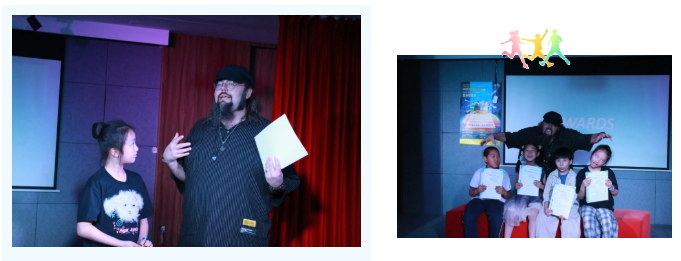
I once had a very good student come to work with me on a piece. As homework, I told him to watch the movie it came from. He did not. Of course, he had other homework and activities. He was busy. He was an average student in China, with more homework and activities than any human should probably have to balance. Watching a movie did not seem important compared to everything else he had to do. Each week we would start practicing, and after just a few seconds I would stop him and ask, “Did you watch the movie?” “No,” he would say. “You must watch the movie,” I would reply. “Okay, okay, I will,” he would promise.
我曾指导过一名非常优秀的学生。作为课后作业,我让他去看原片,但他没看。当然,他还有其他作业和活动,他太忙了。他是那种典型的中国学生,承担着超出常人负荷的课业压力。相比之下,看电影似乎并不那么重要。每周我们开始练习,仅仅几秒钟后我就会打断他,问:“看电影了吗?”“没看。”他回答。我叮嘱道:“你一定要看。”“好好好,我一定看,”他答应着。
Then we would continue, but we never got very far with the piece. The next week, the same thing would happen: begin, stop, “You didn’t watch the movie, did you?” “No, but I will next week.” “Okay.” No real progress happened in class. After weeks of this, the student was frustrated, and I was frustrated. Then the final week came. The student began performing, and after just a few seconds I smiled and stopped him. “You finally watched the movie, didn’t you?” “Yes!” “You understand it now, don’t you?” “Yes!” During that one class, we made more progress than in all the previous classes combined. The difference was not talent. The difference was understanding.
接着我们继续练习,但进度始终停滞不前。次周,同样的一幕再次上演:开始,喊停,“你还是没看电影,对吧?”“没看,但我下周一定看。”“好吧。”课堂上没有取得任何实质性的进展。几周下来,学生很沮丧,我也很无奈。直到最后一周,学生刚表演了几秒钟,我就微笑着叫停了他。“你终于看电影了,对吗?”“是的!”“你现在终于理解它了,对吗?”“是的!”就在那一节课里,我们取得的进步比之前所有课程加起来还要多。这其中的差距并非在于天赋,而在于理解。
Actors need to dive deeply into their characters. The text does not always tell us directly why a character does everything they do. Often there are hints and clues hidden in the interactions, even when the character you are studying is not on stage. If you know something the character does not know, or if you know what is going to happen later in the story, you can better understand who they are before and after important events. The changes those events create help show you who the character truly is. We also learn about characters by the way they react to and interact with others.
演员需要深入挖掘角色。剧本文字并不总是会直接告诉你角色行为背后的动机。许多暗示和线索往往隐藏在互动之中,甚至隐藏在你所研究的角色不在场的时候。如果你知道角色所不知道的信息,或者预知了后续的剧情走向,你就能更好地把握他们在重大事件前后的心理状态。这些事件带来的转变,能帮你揭示角色最真实的一面。同时,我们也能从一个角色如何与他人互动、如何对他人的行为做出反应中,进一步丰富对他们的认知。
I once had an experience that reminded me of this. I was at a gym with a guy I had met in a martial arts class in college. I thought we might become great friends. We had been talking and laughing all day, and everything seemed fine. Then a worker made a simple mistake, something clearly unintentional, not careless or thoughtless, just a normal accident anyone could have made. The worker apologized, but this person I had been enjoying all day suddenly became cruel. He was aggressive, heartless, cold, and rude. I could see on the worker’s face the fear, embarrassment, humiliation, and hurt caused by his behavior. Even after the worker apologized again, he did not calm down or show any kindness. I was stunned. After he walked away, I apologized to the worker myself. What I saw in that moment told me more about this person than all the pleasant conversation we had shared earlier. I realized he was not someone I could be friends with. If I had not seen that moment, I never would have known who he really was inside. That is why, in drama, we must see as much as we can, or as much as the author allows us to see.
我有过一次令我深思的经历。那时我和一名大学武术课上认识的朋友在健身房,我曾以为我们会成为挚友。我们整天谈笑风生,相处甚欢。然而,一名工作人员犯了一个小错误——显然是无心之失,并非粗心或怠慢,只是谁都可能遇到的意外。尽管工作人员道了歉,但我这位整天都表现得很随和的朋友却突然变得刻薄起来。他变得咄咄逼人、冷酷无情。我能从工作人员的脸上看到被他羞辱后的恐惧、尴尬和伤害。即便对方再次致歉,他依然没有消气,不留一丝情面。我惊呆了。在他走开后,我亲自向那位工作人员道了歉。那一瞬间所呈现出的东西,比我们之前所有愉快的谈话都更能揭露此人的本性。我意识到,他绝非良友。如果我没目睹那个瞬间,我永远不会看清他的真面目。这就是为什么在戏剧中,我们必须尽可能地观察一切,或者说去捕捉作者允许我们看到的所有细节。
When you begin working on a character, there are times when you must use your imagination and make your own choices about who that character is and why they do what they do. No one tells you what the Big Bad Wolf went through before he walks into the story and sees the first pig. What has he experienced recently? Was he starving and unable to find food for weeks? Is he someone who loves pork more than anything else in life? Was he bullied by pigs when he was young, and now that he is big and bad, he wants revenge? Those are choices you may eventually make as an actor, and those choices influence how your character presents himself. This kind of creative thinking matters. It goes beyond the text and beyond the dialogue.
当你开始塑造一个角色时,有时必须发挥想象力,对“角色是谁”以及“为何而战”做出自己的判断。没人会告诉你大灰狼在走进故事撞见第一头小猪之前经历了什么。他最近过得怎么样?是连着几周没吃上饭快饿疯了吗?还是他生平最爱吃的就是猪肉?抑或是他小时候受过猪的欺负,现在长大了想报复?这些都是你作为演员最终可能做出的选择,而这些选择会直接影响你角色的呈现方式。这种创造性思维至关重要,它超越了文本和对白本身。
However, we cannot skip what is given to us and jump straight into inventing our own version of the story. We must first study the whole story, carefully, and more than once. We must study the characters and understand them before we can truthfully show them to an audience. Drama and dramatic interpretation are, at their core, about telling a story. But we cannot tell a story to an audience if we do not know that story ourselves.
然而,我们不能跳过既定的剧本信息,直接去臆造一个自己的版本。我们必须首先反复、仔细地研读整个故事。只有先参透角色,才能向观众真实地呈现他们。戏剧和戏剧演绎的核心在于讲故事,但如果我们自己都不了解这个故事,又怎么能把它讲给观众听呢?
In the end, understanding the full story is not an extra step; it is a necessary part of good performance. When actors know the whole story, they make stronger choices, understand their characters more deeply, and perform with more truth and confidence. If you want your interpretive drama piece to feel real, meaningful, and powerful, you must do more than memorize lines or rehearse one scene. You must take the time to truly know the world, the people, and the story you are bringing to life.
归根结底,理解完整的故事并非可有可无的琐事,而是通往卓越表演的必经之路。当演员洞悉全貌时,他们的决策会更有力,对角色的理解会更透彻,表演也会更加真实、自信。如果你想让自己的戏剧演绎显得真实、深刻且富有感染力,你就不能仅仅满足于背诵台词或排练单一场景。你必须投入时间,去真正了解你所赋予生命的那个世界、那些人和那个故事。
免费留学评估