无论是AI巨头的媒体太极、职场上的责任推诿,还是别人的“左右言他”,我们可能会这样一种感觉:明明对方回话了,但仔细一想,Ta好像什么都没回答?
今天,Coach Leo的逻辑谬误系列迎来收官之作,让我们一起拆解那个最让人防不胜防的沟通障眼法——红鲱鱼谬误(Red Herring)。
看清这个套路,你就能在任何高频交锋中,瞬间看破伪装,直击核心!

In an interview he gave in 2025, Sam Altman was asked a familiar question, one that follows artificial intelligence wherever it goes: What happens to jobs? To education? To entire categories of work that may simply… disappear?
在2025年的一次采访中,山姆·奥特曼(Sam Altman)被问及一个如影随形的老问题:“那些可能会彻底消失的行业怎么办?工作怎么办?教育怎么办?”
Altman answers carefully:
奥特曼的回答十分谨慎:
“You can have an AI system that can do all those amazing things… and it clearly does not replicate a lot of what humans are good at doing… people are going to be blown away… and then they will find that they want it to do even more.”
“你能拥有一个可以做所有这些了不起的事情的AI系统……而它显然无法复制人类所擅长的许多事情……人们会被震撼到……然后他们会发现,自己希望它能做更多。”
Nothing in that response is outrageous. In fact, it sounds like the kind of answer you expect from someone in his position: measured and slightly optimistic. However, while the question was about what AI might take away, the answer is about what AI can do and how people might react to it.
这个回答挑不出任何毛病。事实上,它非常符合他那个位置的人该有的高情商:分寸得当、略带乐观。然而,问题问的是“AI会剥夺什么”,而回答谈的却是“AI能做到什么”以及人们对此的反应。
Those are not the same conversation. And yet, the shift is subtle enough that it does not register as avoidance or refusal to answer…
这两者根本不是一回事。然而,这种转换极其微妙,以至于你很难察觉这是一种逃避或拒答……
– and by the time the answer ends, the original concern: displacement, and risk of job loss has slipped out of frame. What remains is a different, more “comfortable” discussion: capability, limitation, adaptation. You leave the exchange with the impression that something was addressed, but the address was wrong.
——当回答结束时,最初的担忧(技术性失业与岗位流失的风险)早已悄然淡出视线。取而代之的是一个更“舒适”的讨论维度:能力、局限与适应。这场对话给你的感觉是“问题得到了回应”,但实际上,对方只是送错了地址。

Welcome back to Leo's Logical Fallacies, where we examine not just what arguments say, but how they quietly persuade us to believe more than they prove! Today's fallacy is the masterclass of misdirection: The Red Herring (The Fallacy of Relevance).
欢迎回到Leo的逻辑谬误系列文章。在这里,我们不仅解构论证说了什么,更剖析它们如何悄无声息地让我们盲信。今天登场的,是转弯抹角的宗师级手段:红鲱鱼谬误(相关性谬误)。

01
What Is a Red Herring? 什么是“红鲱鱼”?
The structure is a simple bait-and-switch: 其核心逻辑就是一场简单的“偷梁换柱”:
Topic A is being discussed. (正在讨论话题A。)
Topic B (which is tangentially related but ultimately irrelevant) is introduced. (引入话题B——看似有点关系,实则毫不相干。)
Topic A is abandoned. (话题A被成功搁置。)
02
The History of the “Stink”臭气熏天的历史起源
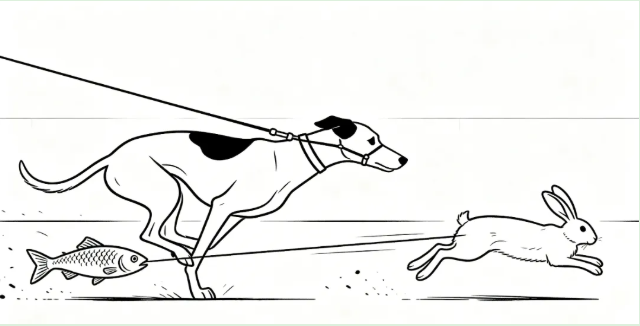
The term originates from a 19th-century polemic by William Cobbett. He told a story of using a "red herring", a fish heavily salted and smoked until pungent and reddish-brown, to lead a pack of hounds away from the scent of a hare.
该词源于19世纪政治评论家威廉·科贝特(William Cobbett)的一篇辩论文章。他讲了一个故事:用一条熏得又咸又红、散发着刺鼻气味的“红鲱鱼”,成功把一群猎犬从野兔的真正气味上引开。
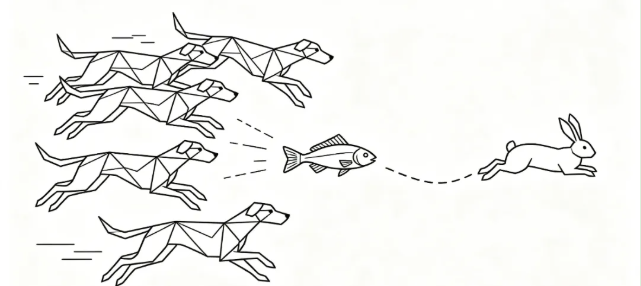
Cobbett used this as a metaphor to criticize the press for being distracted by fake reports of Napoleon's defeat while ignoring domestic rot. In modern discourse, the "fish" is often a controversial or emotionally charged topic that is far easier for the speaker to discuss than the original "hare."
科贝特以此讽刺媒体被拿破仑战败的假消息勾去了魂,却对国内的腐败民生视而不见。在现代语境中,这条“鱼”往往是一个带有情绪煽动性或充满争议的话题。对说话者来说,聊这条“鱼”,可比追那只真正的“野兔”要轻松得多。
03
The Psychology: Why the Brain Follows the False Scent 认知心理学:大脑为何总跟错气味?
The red herring is effective because it exploits the very architecture of human cognition. For young debaters, understanding this is like seeing the code in the Matrix.
红鲱鱼之所以屡屡得手,是因为它精准攻击了人类认知的底层缺陷。对于年轻的辩手来说,理解这一点,就像看穿了《黑客帝国》里的代码。
1. Cognitive Load Saturation | 认知负荷超载
According to Cognitive Load Theory, our working memory is a bottleneck. It can only handle a few "chunks" of information at once. By introducing a vivid, distracting topic, a speaker "saturates" your extraneous cognitive load.
根据认知负荷理论,人类的短时记忆是个瓶颈,一次只能处理极少量的“信息块”。通过引入一个生动逼真、极具干扰性的新话题,演讲者能瞬间“喂饱”你的外在认知负荷。
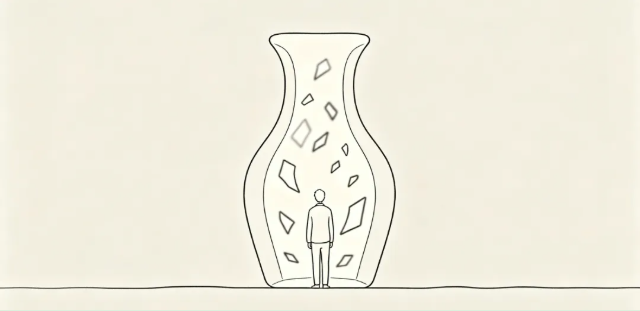
Your brain is so busy processing the new, shiny information about "Innovation" or "Social Media Addictiveness" that it physically lacks the space to hold onto the original question about "Budget Deficits" or "AI Evidence."
当你的大脑正忙于处理关于“创新”或“社交媒体成瘾”这些新鲜热辣的信息时,它在物理层面上已经没有空间去保留关于“财政赤字”或“AI确凿证据”的原问题了。
2. Saliency Bias | 显性偏差(显著性偏向)
Human attention is evolutionarily tuned to prioritize "salient" information—stimuli that are vivid, surprising, or emotionally charged. A red herring often utilizes a personal anecdote because these trigger stronger emotional responses than abstract policy data. It effectively hijacks your "attentional spotlight."
从进化心理学来看,人类的注意力天然优先处理那些“显著”的信息——即鲜活、惊人或带有情感色彩的刺激。红鲱鱼往往包装成一个生动的个人故事,因为故事触发的情感共鸣远比抽象的政策数据强烈。它就这么高效地绑架了你的“注意力聚光灯”。

01
The Red Herring in the Constructive Speech (Building the Diversion) 立论中的红鲱鱼(构建幌子)
In the Constructive, a team might plant a "premise" that is emotionally powerful but strategically irrelevant, hoping the other side spends their entire rebuttal fighting a ghost.
在立论阶段,辩队可能会埋下一个情感上极具煽动性、但在战略上毫无关联的“前提”,以此寄希望于对手在整个反驳阶段都在“与幽灵搏斗”(做无用功)。
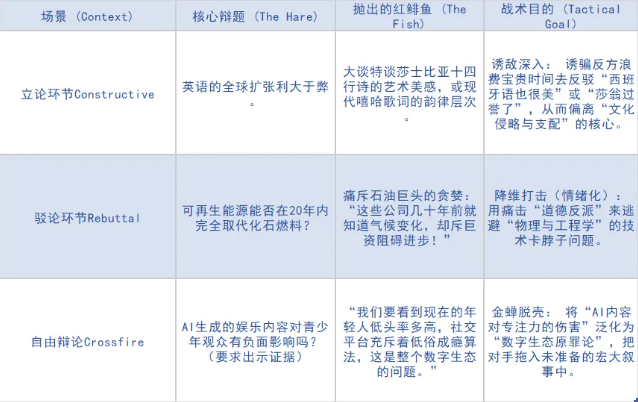
The Topic: “The worldwide dominance of English is more beneficial than harmful to global cultural development.”
辩题: “英语在全球的统治地位对全球文化发展而言利大于弊。”
The Argument (The Fish):A PRO team spends a large portion of their speech discussing the technical beauty of Shakespeare’s sonnets or the rhythmic complexity of modern hip-hop lyrics.
论点(诱饵): 正方用大量篇幅讨论莎士比亚十四行诗的技术美感,或是现代嘻哈歌词的复杂韵律。
Why it's a Red Herring:The resolution is about global cultural development and dominance. Whether or not English is a "beautiful" or "versatile" language is irrelevant to whether its dominance harms or helps other cultures.
为何这是红鲱鱼: 该辩题的核心在于全球文化的发展与统治地位。英语是否是一门“优美”或“多功能”的语言,与它的统治地位究竟是伤害还是促进了其他文化毫无关系。
The Tactical Goal:They want the CON team to waste time arguing that "Spanish is also beautiful" or "Shakespeare is overrated," effectively ignoring the actual impacts of linguistic imperialism.
战术目标: 他们企图让反方浪费时间去争论“西班牙语也很美”或“莎士比亚被高估了”,从而实际上忽视了语言帝国主义所带来的真正影响。
02
The Red Herring in the Rebuttal Speech (The Defensive Pivot)反驳辩词中的红鲱鱼(防御性转向)
In the Rebuttal, the Red Herring is often used as a "Shield." When a team cannot answer a strong point, they pivot to a more defensible, but irrelevant topic. 在反驳阶段,红鲱鱼经常被用作“挡箭牌”。当辩队无法回应一个强有力的论点时,他们会转向一个更容易防守、但毫无关联的话题。
The Topic:“Renewable energy sources can fully replace fossil fuels in the next 20 years.”
辩题: “可再生能源能在未来20年内完全取代化石燃料。”
The Scenario: The PRO team has provided devastating data about the current unreliability of the power grid during peak hours (the "Intermittency Problem").
场景: 正方提供了关于用电高峰期电网现存不稳定性(即“间歇性问题”)的毁灭性数据。
The Rebuttal (The Fish): Instead of explaining how they will fix the grid, the CON team responds: "What we really need to focus on is the greed of oil executives. These companies have known about climate change for decades and have spent millions to lobby against progress. We cannot let corporate profits dictate our future."
反驳(诱饵): 反方(此处指支持或反驳该观点的辩队)并没有解释他们将如何修复电网,而是回应道:“我们真正需要关注的是石油高管的贪婪。这些公司几十年前就知道气候变化,并花费了数百万美元进行游说以阻碍进步。我们不能让企业的利润来主宰我们的未来。”
Why it's a Red Herring:While corporate greed is a significant social issue, it does not solve the technical impossibility of replacing fossil fuels in 20 years. The speaker is attacking the "villain" to avoid answering the "physics.”
为何这是红鲱鱼:尽管企业贪婪是一个重大的社会问题,但它并不能解决在20年内取代化石燃料在技术上的不可能。发言者通过攻击“反派”来逃避对“物理现实(技术问题)”的回答。
03
Red Herrings in Crossfire: The Tactical Smoke Screen 交叉质询中的红鲱鱼:战术烟雾弹
Crossfire is where red herrings become fast, tactical, and often hard to catch. Consider this Public Forum (PF) scenario:
交叉质询是红鲱鱼变得迅捷、极具战术性且往往难以捕捉的环节。请看以下公共论坛(PF)制辩论的场景:
Topic:“AI-generated entertainment has a negative impact on young viewers.”
辩题: “人工智能生成的娱乐内容对年轻观众有负面影响。”
CON asks PRO:“Can you point to clear evidence that AI-generated content, specifically, is causing measurable harm to attention spans?”
反方质问正方:“你能否指出明确的证据,证明‘专门由AI生成’的内容正在对注意力持续时间造成可衡量的伤害?”
PRO responds:“What we need to recognize is that young people today are consuming more content than ever before. Social media platforms are filled with low-quality, addictive material, and companies are prioritizing engagement over well-being. This is a systemic issue across the entire digital ecosystem.”
正方回答:“我们需要认识到的是,当今年轻人消费的内容比以往任何时候都多。社交媒体平台上充斥着低质量、令人上瘾的素材,而企业将‘用户参与度’置于‘身心健康’之上。这是整个数字生态系统中的系统性问题。”
04
The Analysis 案例分析
The question was about AI-generated content and attention span evidence. The answer shifted to social media and digital consumption in general. The diversion is successful; the original question goes unanswered, and now the CON team is stuck arguing about the "digital ecosystem", a topic they didn't even prepare to defend!
问题的核心在于“AI生成的内容”和“注意力持续时间的证据”。而回答却转向了普遍的社交媒体和数字消费。这种转移视线的策略成功了;原本的问题没有得到解答,而现在反方陷入了争论“数字生态系统”的困境中——这甚至是一个他们根本没有准备去辩护的话题!
When an opponent drags a fish across your trail, your task is to keep the "hounds" focused on the hare.
当对手在你的赛道上拖动一条臭鱼时,你的任务是勒紧缰绳,让猎犬死死盯住那只野兔。
Directly Label the Diversion (直接贴标签):
Calmly point out the shift. "That is an interesting point about the digital ecosystem, but it is irrelevant to the specific evidence regarding AI-generated content. Could you answer the original question?"
冷静地指出这种转移。“关于数字生态系统的观点的确很有意思,但这与我们讨论的‘AI生成内容’的特定证据并无关联。您能正面回答原问题吗?”
The "Columbo Method" (神探哥伦布法):
Use a self-deprecating restatement to highlight the disconnect. "I'm sorry, I'm confused. I was asking about the budget for the park, and you're talking about your ten-point plan for birdhouses. How do those two connect?"
用一种大智若愚的重述来凸显两者的脱节。“不好意思,我有点糊涂了。我刚才问的是公园的预算,而您在谈论鸟巢的十步规划。请问这两者之间有什么逻辑联系吗?”
Demand the Mechanism (强索逻辑链):
Force the speaker to explain the link. "How does the rise in general social media use specifically prove that AI-generated imagery harms attention spans?"
强迫对方解释其中的关联机制。“请问大众社交媒体使用率的上升,具体是如何推导证明‘AI生成图像伤害专注力’这一结论的?”

Parent (家长):
"Why didn't you clean your room?" (你为什么没打扫房间?)
Student (孩子):
"You know, the educational system puts so much pressure on us these days that mental health should really be our first priority." (你知不知道现在的教育体制给我们多大压力?心理健康才应该放在第一位。)
That is a Red Herring. It's a brilliant, high-level cognitive pivot. Acknowledge the importance of mental health: then hand them the vacuum.
这就是一条标准的红鲱鱼。一个聪明、高级的认知走位。作为家长,你应当对心理健康表示赞同,然后把吸尘器塞进他手里。

This brings us to the end of our current exploration. Over the past few months, we have dismantled the machinery of persuasion, piece by piece. We’ve looked at:
至此,我们的逻辑探索之旅暂告一段落。在过去的几个月里,我们像拆解钟表一样,一件件拆解了那些极具欺骗性的逻辑谬误:
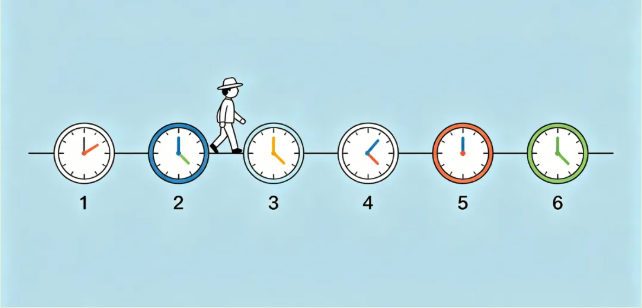
The Slippery Slope (滑坡谬误): 走错一步就滑向万劫不复的恐吓式跨越。
The Strawman (稻草人谬误): 扎一个假靶子打,通过击败不存在的对手来取胜。
The False Dichotomy (虚假两难):假装非黑即白,强迫你在两条路上选,却无视世界的广阔。
Post Hoc Ergo Propter Hoc (后此谬误): 仅仅因为时间上的前后脚,就误把“继起”当“因果”。
Appeal to Authority (诉诸权威): 搬出头衔来压人,而不是拿出硬核论证。
The Red Herring (红鲱鱼谬误): 精妙的战术绕道,旨在把猎犬引离真相。
Why This Matters (Beyond the Ballot)
为什么这关乎每个人(而不仅仅是输赢)
To the young debaters reading this: Logical fallacies are not just "errors" to be pointed out for speaker points.They are the cracks in the foundation of public discourse. When we use them, we aren't winning an argument; we are just avoiding one. When we let others use them against us, we aren't being convinced; we are being managed.
对于正在阅读此文的年轻辩手:逻辑谬误绝非只是为了在辩论赛上拿分而指出的小小“错误”。它们是公共理性基石上的裂缝。当我们使用谬误时,我们并未赢得辩论,只是在逃避辩论;当别人对我们使用谬误时,我们并非被说服了,而是被操纵了。
To the parents: Teaching your children to spot these patterns is perhaps the most important "literacy" for the 21st century.In an era of algorithmic feeds and 15-second soundbites, the ability to slow down, identify a pivot, and demand a link-chain is the ultimate cognitive defense.
对于家长而言:教会孩子识别这些套路,或许是21世纪最核心的“素养”。在这个算法投喂、充斥着15秒短视频快餐的时代,能够慢下来、识破话术转向、并向对方强索逻辑链的能力,才是最高级的认知防御。

Logic is not about being "right." It is about being clear. It is about ensuring that when we disagree—and in a healthy society, we always will—we are at least disagreeing about the same thing.
逻辑的本质不是为了证明自己“永远正确”,而是为了追求“绝对清明”。 它确保了当我们产生分歧时(在健康社会中分歧必然存在),我们至少是在针对同一件事进行真正的辩论。
在信息爆炸、短视频横行的时代,思维碎片化正在悄悄偷走孩子的深度思考力与长期专注力。当面对复杂的社会议题、人际沟通、甚至是未来的面试与学术写作时,孩子是会被一条条“红鲱鱼”牵着鼻子走,还是能一针见血地指出破绽、建立严密的逻辑闭环?
免费留学评估