在大家踏上赛场之前,小编为大家带来了Junior即兴辩论第二轮备稿辩题解析!
Junior即兴辩论第二轮备稿辩题
Planting more trees in cities is the best way to fight air pollution.
在城市种植更多树木是对抗空气污染的最佳方式。
从一抹绿到一片蓝天,空气质量与城市环境息息相关。这道极具现实意义的辩题,涵盖环境保护、公共健康与政策决策的多重维度。围绕这一议题,我们将会从方案定位、效果评估、社会影响、系统思维等多个层面展开分析。
本期导读:
方案定位:城市种树是治污主力军还是助攻手?如何定义“最佳策略”的本质?
效果评估:树木在吸收污染物的同时,可能带来哪些潜在风险与地域局限?
社会影响:绿色政策如何牵动公众认知、企业责任与政策优先级之间的博弈?
全局视角:治污真正需要的是多维共生的生态方案,还是“源头切断”的技术革命?
下滑学习,期待你们在赛场上的精彩表现!
Topic Overview & Background Info
Air pollution in urban areas is a persistent threat to public health, contributing to respiratory diseases, cardiovascular problems, and environmental degradation. In search of solutions, many cities have turned to nature-based interventions, with urban tree-planting campaigns gaining popularity worldwide. Proponents argue that trees act as natural air filters, absorbing pollutants and providing co-benefits like shade, cooling, and mental well-being. However, critics caution that while beneficial, tree planting is not a silver bullet. They emphasize that it may distract from addressing root causes of pollution, such as industrial emissions and vehicular traffic, and that its effectiveness varies based on species selection, urban layout, and climate. This debate examines whether afforestation should be prioritized as the primary urban air quality strategy, or whether it represents a complementary—but insufficient—approach within a broader policy framework.
Key Term Definitions
Planting more trees: The intentional introduction of additional trees into urban landscapes, including streets, parks, and green corridors.
Best way: The most effective, efficient, and comprehensive strategy when compared to all other available options.
Fight air pollution: To reduce the concentration of harmful airborne pollutants (e.g., PM2.5, PM10, NOx, SO2, O3) in the atmosphere.
Cities: Densely populated human settlements with significant built infrastructure, distinct from rural or natural areas.
Pro Arguments
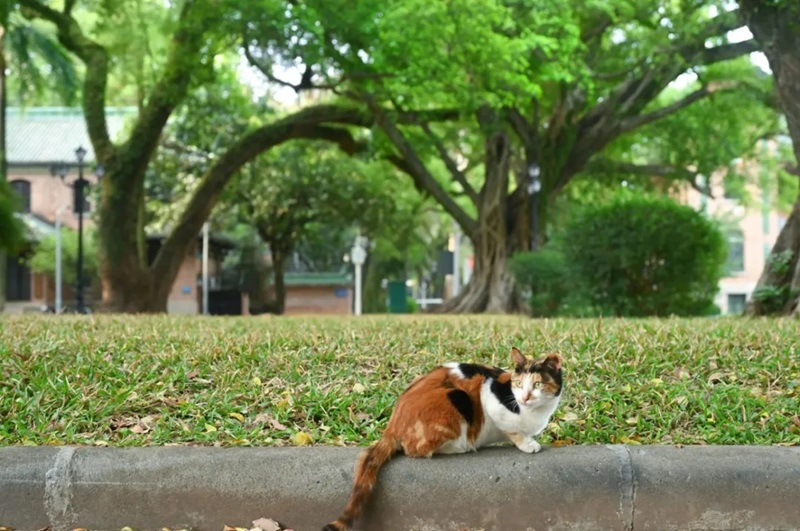
PART 01
Direct and Multifunctional Pollution Mitigation
Analysis: Trees directly improve air quality through dry deposition (capturing particulate matter on leaves and bark) and gas uptake (absorbing gases like NO2 and SO2 through stomata). This process is continuous and passive, providing a permanent, low-maintenance solution.
Example: "Studies in cities like Beijing and London have shown that urban forests can remove tonnes of particulate matter annually. A well-planned tree canopy acts as a city's 'green lung,' filtering air 24/7."
Tip: Emphasize the dual role of trees: they are not just filters but also cool the urban heat island, which can reduce ozone formation—another major pollutant.
PART 02
Provides Co-Benefits that Address Root Causes of Pollution-Related Harm
Analysis: Beyond filtration, trees offer critical ancillary benefits. They provide shade that reduces energy demand for cooling (lowering power plant emissions), encourage walking and cycling by making streets more pleasant (reducing vehicular use), and mitigate climate change by sequestering carbon.
Example: "A shaded, tree-lined boulevard not only captures dust but also makes walking a more viable alternative to driving, tackling pollution at its source while promoting public health."
Tip: Frame tree planting as a systemic solution that creates a positive feedback loop for urban sustainability, rather than a single-issue fix.
PART 03
Cost-Effective and Socially Equitable Public Health Investment
Analysis: Compared to large-scale technological interventions like industrial scrubbers or city-wide vehicle fleet renewal, urban forestry is often more affordable to implement and maintain. It also delivers health benefits (e.g., reduced asthma rates) directly to neighbourhoods, potentially addressing environmental justice issues.
Example: "Investing in a park or street trees in a polluted, low-income district delivers immediate aesthetic, health, and social benefits alongside air cleaning, making it a highly equitable policy tool."
Tip: Argue that trees deliver "multiple dividends" from a single investment, benefiting public health, social cohesion, and climate resilience simultaneously.
PART 04
Fosters Long-Term Environmental Stewardship and Community Engagement
Analysis: Tree-planting initiatives can galvanize community action, raise public awareness about environmental issues, and cultivate a culture of stewardship. The visible, tangible nature of trees makes air quality improvement feel concrete and achievable to citizens.
Example: "Community-led planting programs, like those in Singapore, do not just add greenery; they build a shared sense of responsibility for the local environment, leading to more sustainable citizen behaviour overall."
Tip: Position trees as a symbol and catalyst for broader environmental consciousness, creating lasting social change beyond measurable pollutant levels.
Con Arguments
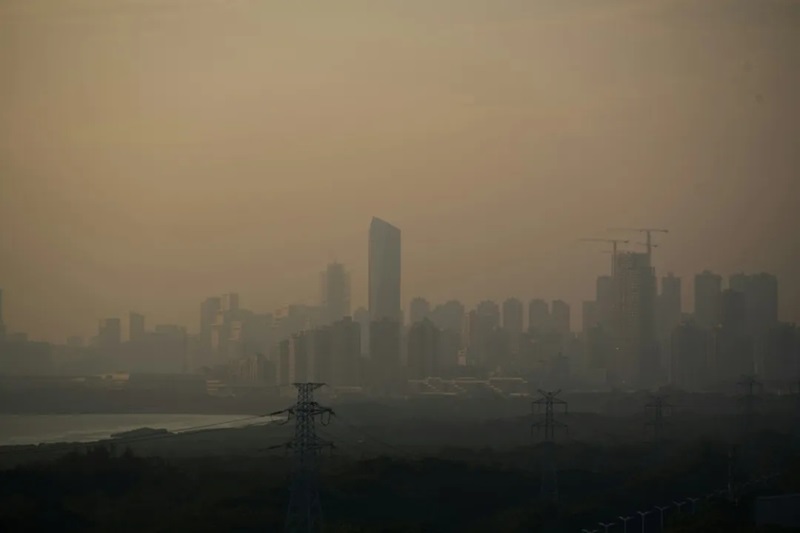
PART 01
Limited Scope and Scale of Impact Compared to Major Pollution Sources
Analysis: The volume of pollutants emitted by industry, energy generation, and transportation vastly exceeds the sequestration capacity of even a dense urban forest. Trees cannot capture all pollutant types equally (e.g., they are less effective on some gaseous pollutants) and their impact is highly localized.
Example: "While a tree can filter air around it, it does nothing to stop the emissions from a nearby coal-fired plant or a highway. Relying on trees alone is like using a sponge to dry a flooded room without turning off the tap."
Tip: Use the "source vs. sink" analogy: argue that the best strategy is to turn off pollution at the source (regulation, clean tech) rather than just trying to clean up the aftermath.
PART 02
Implementation Challenges and Potential Negative Side Effects
Analysis: Trees are not universally beneficial in all urban contexts. Poorly selected species can release biogenic volatile organic compounds (BVOCs) that contribute to ozone formation. They can also exacerbate allergies (pollen), block sunlight, damage infrastructure with roots, and require significant water resources in arid cities.
Example: "In some sun-starved northern cities, large evergreen trees can block crucial winter sunlight. In drought-prone areas, maintaining a large urban forest can strain precious water supplies, creating a different environmental trade-off."
Tip: Highlight that "more trees" is not an unqualified good; it requires sophisticated, context-specific planning to avoid unintended consequences.
PART 03
Slow to Act and Vulnerable to Climate Change
Analysis: Trees take decades to mature and reach their full pollution-mitigation potential. This timeline is mismatched with the urgency of the air quality crisis. Furthermore, urban trees themselves are vulnerable to pollution stress, pests, and climate-change-induced droughts, making them an unreliable long-term solution.
Example: "A sapling planted today will take 20-30 years to become an effective air filter. Meanwhile, thousands more people will suffer health impacts from pollution that requires immediate, not generational, solutions."
Tip: Frame pollution as a pressing public health emergency requiring rapid-response strategies, not slow-growing biological ones.
PART 04
Risk of Distraction and "Greenwashing" from More Effective Policies
Analysis: An overemphasis on visible, feel-good tree-planting can allow governments and corporations to appear environmentally active while delaying or avoiding more costly but transformative actions, such as stricter emissions standards, investment in public transit, or transitioning to renewable energy.
Example: "A company might fund a high-profile tree-planting campaign while continuing to operate heavily polluting factories. This 'greenwashing' uses trees as a moral offset, distracting from the need for direct pollution reduction at the source."
Tip: Argue that calling tree planting the "best way" is dangerous because it risks diverting political will and financial resources away from fundamental systemic changes.
Strategies
Pro Side Strategy: Champion trees as a foundational, multi-solving infrastructure. Argue that they provide a unique combination of immediate public health benefits, long-term sustainability, and social value that technological fixes cannot match. Frame the debate holistically: fighting pollution isn't just about lowering numbers on a monitor; it's about creating liveable, healthy, and resilient cities—a goal for which trees are arguably the best single tool.
Con Side Strategy: Demote tree planting from "the best way" to "a helpful supplement." Maintain that the most effective way to fight pollution is through direct source control. Portray an over-reliance on trees as a slow, limited, and potentially counterproductive strategy that lets major polluters off the hook. Your goal is to convince the judge that while trees are nice, calling them the "best" solution is a strategic and practical error.
Conclusion
This debate forces a critical evaluation of environmental solutionism. Is the "best" way to fight urban air pollution one that is visibly green and multifunctional but limited in direct impact, or one that is technologically and politically challenging but tackles emissions at their origin? The resolution hinges on the definition of "best." Is it the most holistic and publicly supported approach, or the most directly effective and scalable one? Ultimately, judges must decide whether the graceful, natural symbol of a tree can carry the weight of being our primary weapon against the complex, industrial-scale problem of urban air pollution, or whether it is, instead, a vital partner in a much larger and more demanding battle.
免费留学评估