“要么全力支持,要么就是反对。”
“不跟我站在一起,就是站在对立面。”
“在这个问题上,只有两种选择!”
以上这些表述是不是很熟悉?但是,真的没有别的可能了吗?
今天,Coach Leo就来拆解这个常见却不易被察觉的逻辑谬误,看看它是如何在辩论、生活甚至公共讨论中,让我们一步步走进“只能二选一”的死胡同。
It begins
with a choice.
Or something that feels like one.
一切始于一个选择,或者某种看似选择的东西。
While discussing the impact of AI on young audiences, a speaker places before us a frightening dilemma:
在讨论人工智能对年轻受众的影响时,一位辩手向我们抛出了一个惊悚的困境:
“We are at a crossroads! Artificial intelligence can now generate stories, films, entire worlds. Either we ban AI and protect young viewers from AI-generated content… or we allow a generation to be shaped entirely by machines.”
“我们正站在十字路口!人工智能如今能够生成故事、电影,乃至整个世界。我们要么禁止AI,保护年轻观众免受AI生成内容的侵害……要么就任由整整一代人被机器完全塑造。”
It sounds persuasive, somewhat dramatic, and above all, simple. And it is precisely this simplicity that makes it problematic.It compresses a vast, nuanced issue into a clean, theatrical fork in the road: two paths, both extreme, both urgent.
这番话听来颇具说服力,有些戏剧化,而最重要的是——它很简单。而这正是其问题所在:它将一个广阔而微妙的问题,压缩成了一个利落、戏剧化的道路分岔口:两条路,都极端,都紧迫。
But in doing so, it quietly erases the messy middle regulation, media literacy, parental guidance, ethical design, hybrid content, and countless other possibilities that lie between prohibition and surrender. The complexity of reality is traded for the clarity of a headline. And that trade, while rhetorically powerful, is logically misleading.
但这样做,它悄无声息地抹去了那纷繁复杂的中间地带——监管、媒介素养、家长引导、伦理设计、混合内容,以及介于禁止与放任之间的无数种其他可能。现实的复杂性被换取了一个标题的清晰度。而这种交换,尽管在修辞上掷地有声,在逻辑上却是一种误导。
Welcome back to Leo's Logical Fallacies, a series about the reasoning shortcuts that quietly distort our communication and our logic.
欢迎回到“Leo的逻辑谬误”系列,本系列探讨那些悄然扭曲我们沟通与逻辑的思维捷径。
Today we're diving into the False Dichotomy (also called a false dilemma), a logical trap that can leave us feeling like a young Hamlet, puzzled with “to be or not to be” even when the topic is something as ordinary as public transport or as complex as pharmaceutical patents.
今天,我们将深入探讨“虚假二分法”(也称虚假两难),这是一种逻辑陷阱,它可能让我们感觉自己就像年轻的哈姆雷特,纠结于“生存还是毁灭”的难题,即便讨论的话题普通如公共交通,或复杂如药品专利。
A false dichotomy occurs when a speaker presents a complex issue as if it has only two possible outcomes, ignoring everything in between.
当说话者将一个复杂问题呈现得仿佛只有两种可能的结果,而忽略了介于两者之间的一切可能性时,虚假二分法便产生了。
The structure is simple:
其结构简单明了:
• Either A Or B
• A is unacceptable
→ Therefore, B must be true
• 要么选A要么选B
• A是不可接受的
→ 因此,B必定为真
It feels logical; however, reality rarely operates in binaries. The world is seldom black or white; more often, it unfolds across a spectrum.
这听起来很合乎逻辑;然而,现实很少以二元方式运作。世界鲜少是非黑即白的;更多时候,它是在一个范围内展开的。

A false dichotomy erases that spectrum before the debate even begins.
虚假二分法在辩论尚未开始之前,就将其他可能抹除了。
Constructive Speech立论陈词
The fallacy often appears at the very start, when a speaker defines what the debate is about.
这种谬误常常在一开始就出现,当发言者界定辩论的主题时。
Resolution:“AI-generated entertainment has a negative impact on young viewers.”
辩题:“人工智能生成的娱乐内容对年轻观众有负面影响。”
A CON speaker might say:
反方辩手可能会说:
“Today’s debate is simple. Either we embrace AI-generated content and allow algorithms to shape children’s minds, or we reject it and preserve authentic human creativity.”
“今天的辩论很简单。我们要么拥抱AI生成的内容,让算法塑造孩子们的思想;要么我们拒绝它,保护真正的人类创造力。”
It sounds dramatic and somewhat persuasive, but notice what just happened. The debate is no longer about impact, regulation, balance, or responsible use.
这听起来很有戏剧性,也有几分说服力,但请注意刚才发生了什么。辩论不再关乎影响、监管、平衡或负责任的使用。
It has been reduced to:
Machines vs Humans
它被简化成了:机器对抗人类。
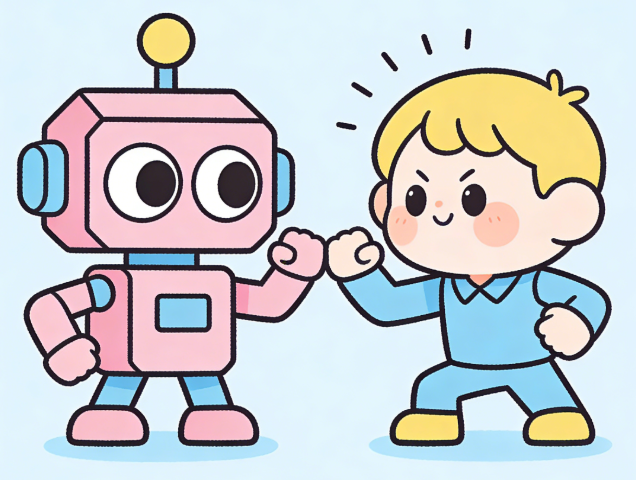
That is compression and oversimplification of a complex topic. The real world includes far more options and nuance. Some solutions might include:
这是对一个复杂话题的压缩和过度简化。现实世界包含着更多的选择和细微差别。一些解决方案可能包括:
• AI-assisted storytelling guided by humans
• age-based content filters
• media literacy education
• hybrid creative industries
• 人类主导的AI辅助叙事
• 基于年龄的内容过滤
• 媒介素养教育
• 混合型创意产业
The complexity did not disappear.
It was removed by the first speaker.
复杂性并未消失。它被第一位发言者移除了。
Rebuttal反驳环节
False dichotomies often appear as a sudden narrowing.
虚假二分法常常表现为一种突然的收窄。
Resolution:“The worldwide dominance of English is more beneficial than harmful to global cultural development.”
辩题:“英语在全球的主导地位对全球文化发展利大于弊。”
PRO argues:“English enables global communication while local cultures continue to thrive.”
正方:“英语促成了全球沟通,而地方文化依然繁荣发展。”
CON responds:“Prevalence of English dominance in the digital world, and global communication will erase local languages, so the choice is clear: abandon English or accept cultural extinction.”
反方回应道:“英语在数字世界的主导地位和全球沟通将抹去地方语言,因此选择很明确:要么放弃英语,要么接受文化消亡。”
That shift is subtle but devastating if left unchallenged. The debate contracts from coexistence, adaptation, and multilingualism into:
Global communication vs Cultural survival
这种转变很微妙,但若不加质疑,其后果是毁灭性的。辩论从共存、适应和多语主义收缩为:全球沟通vs文化存续。
But that was never the claim. Multilingual societies already exist. People adopt English for a variety of reasons, not as a replacement for identity.
但这从来就不是正方的主张。多语社会早已存在。人们出于各种原因学习使用英语,并非将其作为身份认同的替代品。
The rebuttal does not refute the argument. It replaces it with a forced choice.
这段反驳并未驳斥原论点。它用一个强制的选择取而代之。
Crossfire交叉质询环节
Crossfire is where this fallacy becomes especially dangerous. You have little time to think and limited time to respond.
交叉质询环节是这种谬误变得尤为危险的地方。你几乎没有时间思考,回应时间也很有限。
In a debate on fast fashion, CON asks:
“If we eliminate fast fashion, millions lose access to affordable clothing. So, which do you prefer: affordability or ethical production?”
在一场关于快时尚的辩论中,反方问道:“如果我们取缔快时尚,数百万人将无法获得廉价衣物。那么,你更倾向于哪个:平价还是道德生产?”
It sounds fair at first. However, the moment you answer, you accept the frame. You are now choosing between:“Accessibility and Ethics”.
乍听起来很公平。然而,在你回答的那一刻,你就接受了这个框架。你此刻是在“可及性”和“道德性”之间做选择。
And you lose either way.
无论选哪个,你都输了。
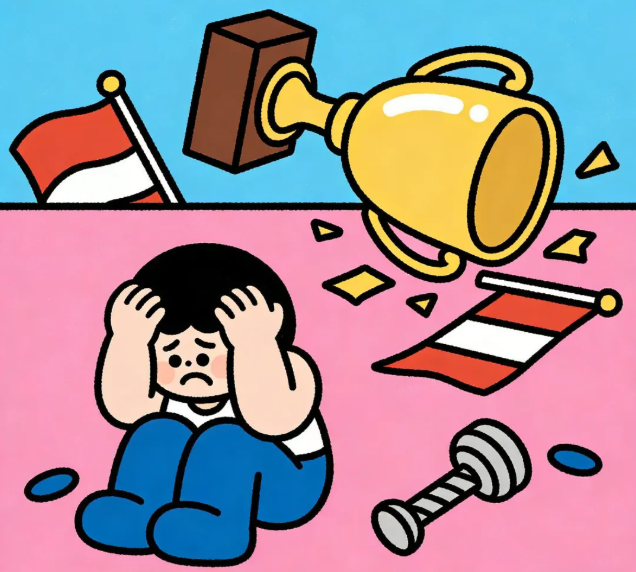
The complexity is gone. The nuance is gone. All the analysis and arguments about:
• ethical mass production
• supply chain reform
• sustainable materials
• regulation and labor protections
are lost. They cease to exist within that framework.
复杂性消失了。细微差别消失了。所有关于“道德化的大规模生产”、“供应链改革”、“可持续材料”、“监管与劳动保护”的分析和论点都丢失了。它们在这个框架内不复存在。
Your opponent has forced a false choice, and by accepting it, you give up stronger ground.
你的对手强加了一个虚假的选择,而接受它,你就放弃了更有利的阵地。
As you might expect, this is not just a debate tactic. It appears everywhere.
正如你所料,这并不仅仅是一种辩论技巧。它随处可见。
Two friends, Marco and William, are planning a trip.两个朋友,马可和威廉,正在计划一次旅行。
Marco says:“I was thinking we go somewhere quieter this year. Maybe a coastal town. I like the idea of having some relaxing time and some silence.”
马可说:“我在想我们今年去个安静点的地方。也许一个海滨小镇。我喜欢能有点放松时间、有点宁静的那种感觉。”
William responds:“Oh, so it’s either we sit in silence somewhere boring or we actually go somewhere fun?”
威廉回应道:“哦,所以要么我们就坐在某个无聊的地方沉默不语,要么我们就去个真正好玩的地方?”
Now the drama begins. Two opposing sides suddenly appear, even though they were never there before.
于是矛盾开始了。两个对立的阵营突然出现,尽管它们之前根本不存在。
Marco never said he wanted only silence or only relaxation.The original idea was not “boring vs fun.”It was simply a different pace.
马可从没说过他只想要寂静或只想要放松。最初的想法并非“无聊 vs 有趣”。它只是想要一种不同的节奏。
Yet the conversation is reframed into extremes:Isolation or Excitement
然而,对话被重新框定为两个极端:远离人烟或好玩有趣。
And once that happens, the middle disappears.
Even though it still exists: lively coastal towns, balanced itineraries, cities with quiet spaces.
一旦这种情况发生,中间地带就消失了。尽管它依然存在:热闹的海滨小镇、平衡的行程、拥有宁静角落的城市。

The options did not vanish.They were excluded.
那些选项并未消失。它们是被排除了。
When a debater presents only two options, the most powerful response is often simple:show that more options exist. Here are three effective ways to do that.
当一位辩手只给出两个选项时,最有力的回应通常很简单:证明存在更多的选择。以下是三种有效的方法。
1. Reveal the Missing Middle
揭示缺失的中间地带
Point out the alternatives that the argument ignores.
指出论点所忽略的替代方案。
“The debate is not simply AI entertainment or no AI entertainment. Hybrid creative systems already exist, where human writers guide AI tools.”
“这场辩论并非简单的AI娱乐与非AI娱乐。混合型创意系统已然存在,人类创作者在其中引导着AI工具。”
You can go further by briefly naming additional possibilities: regulation, age-based restrictions, ethical design, or education. The goal is not to list everything, but to prove that the space between the extremes is real and meaningful.
你可以进一步简要列举其他可能性:监管、基于年龄的限制、伦理设计或教育。目标并非罗列所有,而是证明极端之间的空间是真实且有意义的。
Once these missing possibilities are made visible, the forced choice begins to collapse.
一旦这些缺失的可能性变得可见,强制的选择便开始瓦解。
2. Expand the Spectrum
拓宽范围
Many debates exist on a continuum rather than at two extremes.
许多辩论存在于一个连续体上,而非两个极端。
Instead of:
Fast fashion or luxury fashion
The real spectrum might include:
• second-hand clothing
• rental and sharing models
• sustainable mid-range brands
• repaired and upcycled garments
与其是:快时尚或奢侈时尚
真实的范围可能包括:
• 二手服装
• 租赁与共享模式
• 可持续的中端品牌
• 经过修复和升级再造的衣物
By expanding the range, you shift the debate from a binary choice to a question of degree, balance, and trade-offs. This makes your analysis more realistic and harder to dismiss.
通过拓宽范围,你将辩论从二元选择转变为关于程度、平衡与权衡取舍的问题。这使你的分析更加贴近现实,也更难被驳倒。
3. Challenge the Framing Directly
直接挑战其框架
Sometimes the best move is to call out the structure itself.
有时,最佳策略是直接点明其结构本身。
“This argument assumes there are only two possible outcomes, but that is not how the real world operates.”
“这个论点假设只有两种可能的结果,但这并非现实世界的运作方式。”
By explicitly identifying the false dichotomy, you help the judge or audience step outside the trap. You are not just disagreeing with the conclusion. You are questioning the way the problem has been defined.
通过明确指认这种虚假二分法,你帮助裁判或听众跳出陷阱。你不仅仅是在反对结论,你是在质疑问题被定义的方式。
Why It Works?
为何虚假二分法屡试不爽?
Because humans are drawn to clarity.
Two options feel manageable,
comforting, even decisive.
人类被清晰明了所吸引。
只有两个选项让人感到可控、安心,
甚至有一种决断感。
That is why you hear it everywhere:
• Progress or decline
• Freedom or control
• Innovation or collapse
这就是为什么你到处都能听到它:
• 进步或衰退
• 自由或管控
• 创新或崩溃
Simple stories capture attention.
But they often sacrifice accuracy.
Real thinking is more demanding.
It requires holding multiple possibilities at once,
tolerating uncertainty,
and navigating complexity instead of escaping it.
简单的故事能抓住注意力。
但它们常常牺牲了准确性。
真正的思考要求更高。
它需要同时把握多种可能性,
容忍不确定性,
并在复杂性中穿行,而非逃避它。
A speaker argues:
“Ever since AI-generated entertainment became popular, attention spans among young viewers have dropped. Clearly, AI content is causing this decline.”
一位发言者声称:
“自从AI生成的娱乐内容流行以来,年轻观众的注意力持续时间就下降了。显然,是AI内容导致了这种下降。”
It sounds convincing.
One thing happened…
then another.
But is that enough?
Or is something missing?
What logical fallacy might be hiding here?
这听起来很有说服力。
一件事发生了……
接着另一件事也发生了。
但这足够证明吗?
还是说遗漏了什么?
这里可能隐藏着什么逻辑谬误?
免费留学评估