屏幕前的小辩手们,你们有没有发现:最近刷到的搞笑短视频,配音越来越自然;玩的游戏似乎永远不会通关;听到一首好听的歌曲,背后的创作者甚至可能不是人类。
随着人工智能技术的发展,AI已经开始参与制作音乐、动画、短视频、游戏甚至故事作品。越来越多由AI生成的娱乐内容正在出现在孩子们每天接触的平台上。
六月Junior即兴辩论的备稿辩题,正切中了这个时代前沿的隐忧。
有人认为,AI让创作变得更加高效、多元,让更多人拥有表达和创造的机会;也有人担心,过度依赖AI生成内容,可能会削弱年轻人的创造力、判断力以及对真实世界的理解。
你的观点是什么?下滑一起走进本期的辩题解析!
6月Junior即兴辩论备稿辩题
AI generated entertainment has a negative impact on young viewers.
人工智能生成的娱乐作品对年轻观众有负面影响。
Topic Overview &Background Info
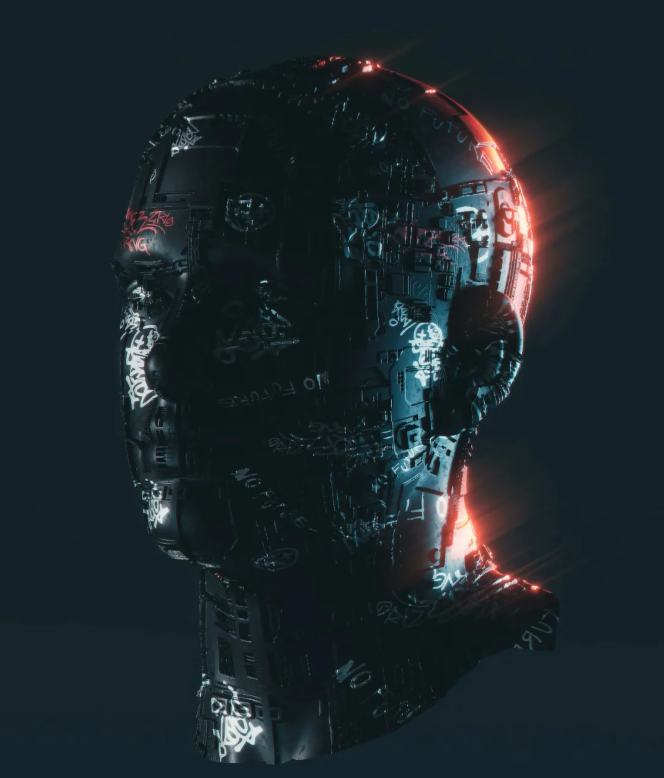
AI-generated entertainment refers to movies, videos, music, games, animations, or other digital content that are created either partially or fully with the assistance of artificial intelligence. With the rapid advancement of generative AI technologies, entertainment production has become significantly faster, more cost-efficient, and capable of producing content at an unprecedented scale.
As a result, AI-generated content is increasingly present in platforms such as YouTube, TikTok, streaming services, and gaming applications, which are widely used by young audiences in their daily lives.
The central question in this debate is whether the growing presence of AI-generated entertainment leads to negative impacts on young viewers, particularly in terms of their cognitive development, media literacy, consumption habits, and understanding of authenticity.
Key Term Definitions
AI-generated entertainment: Entertainment content such as videos, music, games, animations, stories, or digital media that are created or significantly assisted by artificial intelligence.
Pro Arguments
01
AI-generated entertainment reduces exposure to authentic human creativity and emotional depth
Analysis: AI-generated entertainment is based on pattern recognition and replication of existing data rather than lived human experience. As a result, much of the content lacks genuine emotional depth, cultural context, and personal storytelling that characterize human-created entertainment. For young viewers, whose values, empathy, and aesthetic understanding are still developing, this may reduce exposure to authentic forms of creativity and weaken their appreciation of human artistic expression.
Example: AI-generated music, animations, and storytelling content can imitate popular styles and trends, but often feels emotionally uniform or formulaic compared to works created from real human experiences and perspectives.
Tip: Focus on substitution effect: AI-generated content replaces human-created works in what young viewers regularly consume, reducing exposure to authentic creativity.
02
AI-generated entertainment blur the boundary between real and artificial content for young viewers
Analysis: AI-generated entertainment can produce highly realistic images, voices, characters, and narratives that closely resemble real human creation. For young viewers who are still developing media literacy skills, this blurs the boundary between what is real and what is artificially generated. Over time, this can weaken their ability to critically evaluate content and form a stable understanding of authenticity in digital environments.
Example: AI-generated influencers, deepfake videos, and synthetic storytelling characters can appear fully human-like, making it difficult for younger audiences to recognize that what they are watching is artificially constructed.
Tip: Emphasize perceptual confusion: the core issue is the erosion of young viewers’ ability to distinguish reality from simulation.
03
AI-generated entertainment promotes passive and excessive content consumption among young viewers
Analysis: Because AI can generate entertainment content at extremely low cost and at massive scale, it significantly increases the volume of content available to young viewers. This leads to an environment where children and teenagers are constantly exposed to a large amount of easily consumable, repetitive, and low-effort entertainment. Over time, this may encourage more passive viewing habits and reduce engagement with more meaningful, challenging, or skill-building forms of content.
Example: AI-generated short videos, cartoons, and storytelling clips can be produced in bulk creating endless streams of similar content that require little cognitive effort to consume but dominate young users’ attention.
Tip: Highlight scale effect: AI enables unlimited content production, shifting young viewers toward habitual, passive consumption rather than active engagement.
Con Arguments
01
AI-generated entertainment increases accessibility and creative opportunities
Analysis: AI tools lower the barriers to creating entertainment, allowing more individuals and small creators to participate in media production. Young viewers can access a wider variety of stories, cultures, and creative experiences that may not have existed under traditional entertainment systems dominated by large studios and corporations.
Example: Independent creators can now use AI tools to generate animations, music, or interactive storytelling without requiring massive budgets or technical teams. This increases the diversity of available content and gives young audiences exposure to more perspectives and ideas.
Tip: Emphasize democratization. AI-generated entertainment can empower creativity rather than restricting it to wealthy companies or professional industries.
02
AI-generated entertainment can provide educational and personalized learning experiences
Analysis: AI-generated entertainment is not limited to passive consumption. Many AI-powered games, videos, and interactive platforms can adapt to individual learning styles and interests, making education more engaging for young viewers. Entertainment and learning are increasingly connected, and AI can personalize experiences in ways traditional media cannot.
Example: AI-generated storytelling tools and educational games can create interactive learning experiences tailored to a child’s age, reading level, or interests. Some platforms already use AI to help children practice languages, science concepts, or creative writing through entertainment-based formats.
Tip: Argue that the technology itself is neutral. The impact depends on how society chooses to design and regulate its use.
03
Concerns about new entertainment technologies have existed throughout history
Analysis: Many forms of entertainment—including television, video games, and social media—were initially criticized for supposedly harming young people. Yet society eventually adapted through parental guidance, education, and regulation. AI-generated entertainment may follow a similar pattern, where risks are managed over time rather than becoming permanently damaging.
Example: Video games were once widely blamed for destroying attention spans or social behavior, but later research showed that their effects depend heavily on content type, moderation, and context. Similarly, AI-generated entertainment may evolve into a more balanced and regulated industry as public awareness increases.
Tip: Focus on adaptability. Technological change often creates fear at first, but societies usually develop systems to reduce harms while preserving benefits.
Strategies
The Pro side should frame AI-generated entertainment as a structural shift in the media environment that disproportionately affects young viewers due to their developing cognitive abilities and media literacy. The focus should be on systemic effects: authenticity erosion, perceptual confusion, and behavioral changes driven by algorithmic, high-volume content production.
The Con side should argue that AI-generated entertainment is not inherently harmful, but rather a neutral tool that expands creative and educational possibilities. Any risks identified are not unique to AI and can be managed through regulation, parental guidance, and improved digital literacy. The key clash is whether harm is structural and inevitable, or context-dependent and manageable.
Conclusion
The debate is not about weighing benefits against risks in isolation, but about determining if AI-generated entertainment creates a systematic negative impact on young viewers. Ultimately, the core issue lies in distinguishing between structural, inherent risks and those that are manageable within a rapidly evolving technological landscape.
免费留学评估